How Python Manages Memory: Stack vs Heap Explained
How Python Manages Memory Behind the Scenes
When you run a Python program, memory management quietly begins working behind the scenes.
In simple terms:
Heap memory is where all Python objects live.
Stack memory is used to manage function calls and store references to those objects.
Let’s break this down in a way that actually makes sense.
Stack:
The stack follows a simple rule:
Last In, First Out (LIFO)
Think of it like a stack of books.
The book you place last on top is the first one you remove.
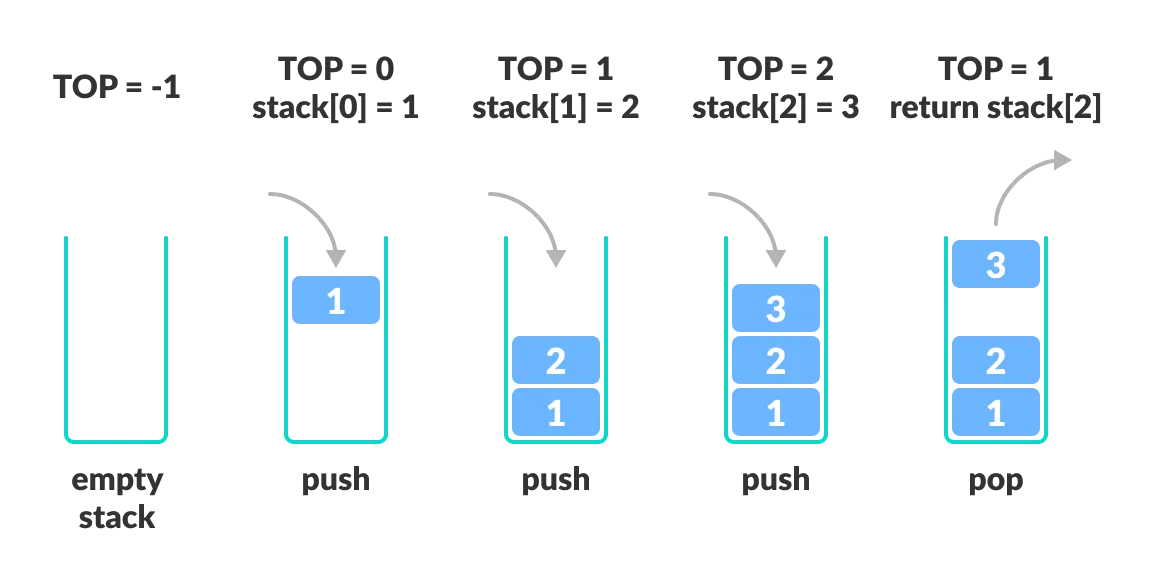
There are three primary operations in a stack:
Push → Adds an item to the top of the stack
Pop → Removes the top item from the stack
Peek (Peep) → Looks at the top item without removing it
This simple mechanism is extremely powerful in programming.
The image below explains stack very well
What Happens When a Function Is Called?
When a function is called in Python:
A new block of memory called a stack frame is created.
This stack frame is pushed onto the stack.
It contains all the local context of that function.
Once the function finishes executing:
Its stack frame is removed (popped).
The memory used for that function is automatically reclaimed.
This is why stack memory management is:
Very fast
Automatic
Clean and efficient
The allocation and deallocation simply involve moving a pointer up or down — no complex memory searching required.
Important Detail: What Actually Lives on the Stack?
Here’s something many beginners misunderstand:
The stack does not store actual objects.
Instead, the stack stores references (names) to objects.
The real objects themselves are stored in the heap.
For example:
x = 10
The integer object
10lives in the heap.The variable name
x(which refers to that object) is stored in the stack frame.
This separation makes Python flexible and powerful.
Why This Design Matters
Because objects live in the heap:
Multiple variables can reference the same object.
Memory management becomes more dynamic.
Python can use garbage collection effectively.
And because function data lives in the stack:
Function calls remain fast.
Memory is cleaned up automatically after execution.
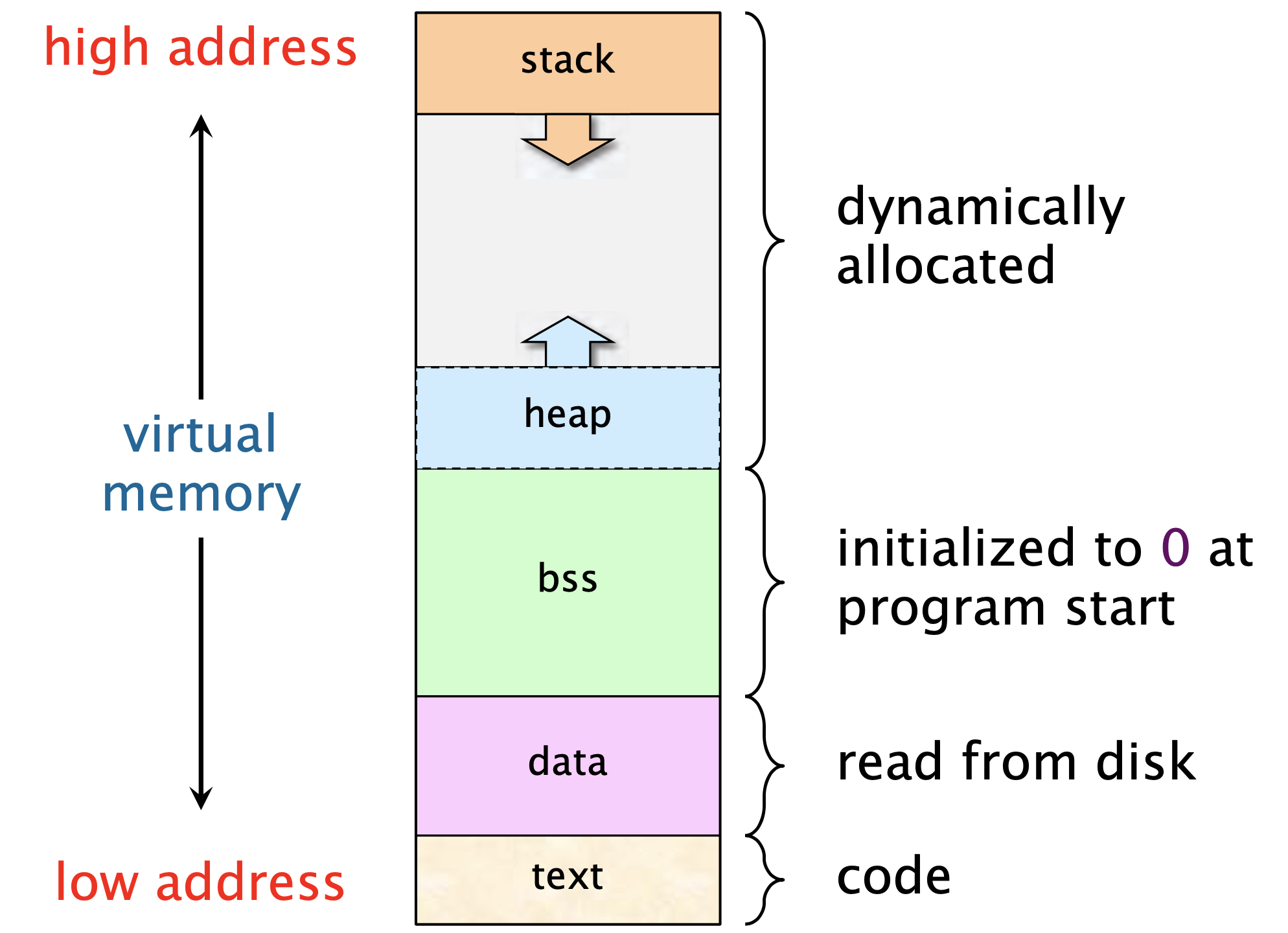
Heap :
If the stack manages how functions run,
the heap is where the actual data lives.
In Python, all objects are stored in the heap. This includes:
Integers
Strings
Lists
Dictionaries
Functions
Classes
Even custom objects
Basically, if it’s an object in Python — it lives in the heap.
Why Does Python Use the Heap for Objects?
Unlike stack memory, the heap:
Does not follow a strict order like LIFO
Allows dynamic memory allocation
Can grow and shrink as needed
This flexibility is important because Python is a dynamically typed language.
You don’t declare memory size beforehand .Python decides it at runtime.
Example:
x = 10
y = [1, 2, 3]
name = "Sneha"
Here,
The integer
10lives in the heapThe list
[1, 2, 3]lives in the heapThe string
"Sneha"lives in the heap
The variable names x, y, and name are stored in the stack frame,
but they only point to the actual objects in the heap.
How Is Heap Memory Managed?
Heap memory is managed automatically by Python using:
Reference Counting
Every object keeps track of how many references point to it.
When the reference count becomes zero,
Python removes the object from memory.
Garbage Collection
Some objects reference each other in cycles.
Reference counting alone can’t clean them.
That’s where Python’s garbage collector steps in and frees unused memory.
Lifetime & Speed
Heap memory:
Is slower to access compared to stack
Is more flexible
Persists beyond function calls (if references still exist)
Example:
def create_list():
numbers = [1, 2, 3]
return numbers
my_list = create_list()
Even after create_list() finishes:
The stack frame is destroyed
But the list
[1, 2, 3]remains in the heapBecause
my_liststill references it
That’s the power of heap memory.
Final Takeaway
Think of it like this:
The stack manages execution.
The heap stores the real data.
The stack handles temporary context.
The heap holds dynamic objects with flexible lifetimes.
Understanding this separation is key to truly understanding how Python works behind the scenes.